
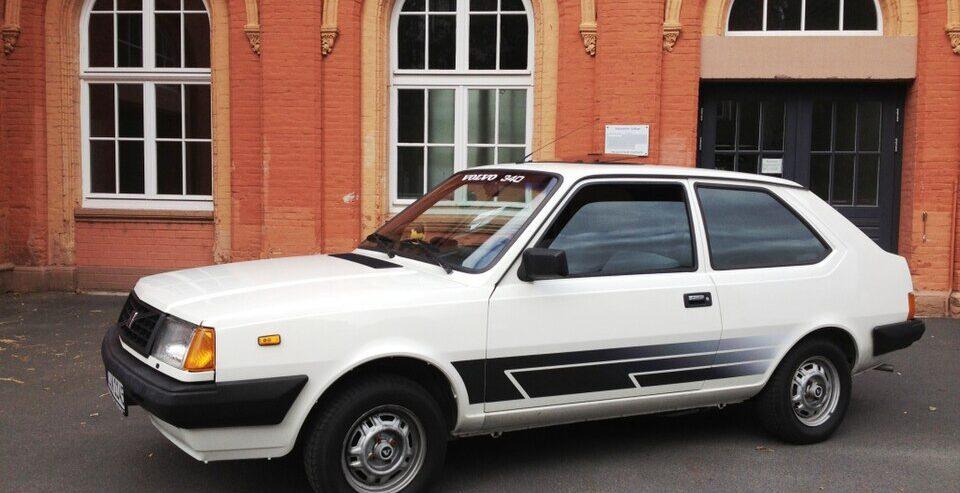
Volvo Youngtimer Buying Tips – Expert Guide 2024
Volvo Youngtimer Buying Tips: What Every Smart Buyer Must Know
Buying a Volvo youngtimer is one of the most rewarding decisions a car enthusiast can make – but only if you go in with the right knowledge. After 40 years of restoring and maintaining classic and youngtimer Volvo vehicles, I have seen buyers make the same costly mistakes over and over again. A rusty sill hidden under fresh underseal. A timing belt that was “just replaced” but cannot be documented. An engine that sounds perfect at idle but tells a very different story on the road.
This guide gives you practical, field-tested Volvo youngtimer buying tips that will help you separate the gems from the money pits. Whether you are looking at a Volvo 240, a 740, an 850, or the beloved 480, the fundamentals of a smart purchase remain the same.
Let us get straight into it.
What Exactly Is a Volvo Youngtimer?
Before diving into inspection checklists and negotiation strategies, it is worth defining the term. A youngtimer generally refers to a car that is between 20 and 30 years old – old enough to have character and charm, but not yet classified as a full classic or oldtimer. In the Volvo world, this typically covers models produced between the mid-1980s and early 2000s, including:
- Volvo 240 Series (1974–1993) – the last years qualify as youngtimer
- Volvo 340/360 (1976–1991)
- Volvo 480 (1986–1995)
- Volvo 740/760 (1982–1992)
- Volvo 850 (1991–1997)
- Volvo 940/960 (1990–1998)
- Volvo C70/S70/V70 first generation (1996–2000)
These vehicles are increasingly sought after by collectors and enthusiasts. Prices are rising steadily, which makes buying smart more important than ever. [Link to related article: Volvo 850 – Is It Worth Buying Today?]
Why Volvo Youngtimers Are Worth Your Attention
Volvo built its reputation on durability, safety and honest engineering. These qualities do not expire. Many of the youngtimer models were overengineered by today’s standards – thick steel, simple mechanics and engines that, when properly maintained, will run past 400,000 kilometres without complaint.
From a financial perspective, youngtimers sit in a sweet spot: they are affordable to purchase compared to true classics, parts are still widely available, and they are simple enough to maintain at home with basic tools. Insurance costs are often lower, and in several European countries, vehicles over 30 years old enjoy tax and inspection benefits.
But that window of affordability is closing. Well-preserved Volvo 240s and 850 T5s in particular are climbing in value. If you are considering a purchase, now is the right time.
The Most Important Volvo Youngtimer Buying Tips
1. Always Start With the Bodywork and Rust Inspection
This is non-negotiable. Volvo cars from the 1980s and 1990s were built with quality steel, but rust is still the primary killer of these vehicles. Swedish winters and road salt did their damage decades ago, and some of it has been patched, filled and painted over many times.
The critical areas to inspect on any Volvo youngtimer include:
- Sill panels and inner sills – probe with a screwdriver; soft spots indicate rot beneath the surface
- Rear wheel arches – a classic problem area on the 240, 740 and 850
- Floor pans – lift the carpets and check for bubbling or wet rust
- Boot floor and spare wheel well – water collects here and eats through from below
- Front subframe and chassis legs – especially on the 850 and V70
- Door bottoms and lower door corners
- Sunroof drains – blocked drains cause hidden rust in the A-pillars and roof section
I always carry a strong torch, a telescopic mirror and a small magnet on every inspection. Fresh underseal that smells chemical and looks too clean is a red flag – it often hides recent rust treatment or, worse, filled bodywork. A good quality automotive inspection mirror and torch set is an indispensable tool for any used car inspection.
2. Inspect the Engine Bay Thoroughly
Volvo engines are workhorses – the B230 in the 240 and 740, the B20 variants, and even the turbocharged units in the 850 T5 and 940 Turbo are known for longevity. But they are not immune to neglect.
Check the following during your engine bay inspection:
- Oil cap and dipstick – white or milky residue indicates coolant contamination, a sign of head gasket issues
- Coolant reservoir – brown or rusty coolant means the cooling system has been neglected
- Timing belt condition and service history – critical on interference engines; always ask for documented evidence
- Oil leaks – small seeps are normal on older engines, but heavy leaks from the rear main seal or cam cover are costly
- Power steering fluid – check for leaks around the rack and reservoir
- Battery age and connections – corroded terminals suggest general neglect
On the Volvo 850 and early V70, the timing belt should be replaced every 70,000 km or five years. If the seller cannot provide documented proof of a recent belt change, factor the cost into your negotiation – or walk away. [Link to related article: Volvo 850 Timing Belt Replacement Guide]
3. Test Drive the Vehicle Properly
A test drive is not a formality. It is your single most powerful diagnostic tool. Drive for at least 20 to 30 minutes, covering different road types and speeds. Here is what to pay attention to:
| What to Test | What to Listen or Feel For |
|---|---|
| Cold start | Knocking, white smoke, rough idle that does not clear |
| Gearbox (manual) | Crunching on engagement, difficulty finding gears |
| Automatic gearbox | Slipping between gears, delayed engagement, shuddering |
| Braking | Pulling to one side, vibration, soft pedal feel |
| Steering | Vagueness, play at centre, vibration at speed |
| Suspension | Clunking over bumps, excessive body roll, worn bushings |
| Heating and AC | Functionality, smell of mould or coolant inside |
Pay special attention to the automatic gearbox on Volvo 740 and 940 models. The AW70 and AW71 units are robust, but worn out examples are expensive to rebuild. A slipping automatic is a deal-breaker unless the price reflects it.
4. Review the Service History and Documentation
A Volvo youngtimer with a complete service history is worth significantly more than an identical car without paperwork. Documentation tells you how the car was treated, what was replaced and when, and whether any major repairs were done properly.
What to look for in the paperwork:
- Original owner’s manual and service booklet with stamped entries
- Invoices from Volvo dealerships or specialist garages
- Evidence of timing belt, coolant, and brake fluid changes
- MOT or TÜV history showing consistent annual mileage
- Any recall work carried out
Cross-reference the mileage on service invoices against the odometer. Inconsistencies are a warning sign of clocking. In countries where vehicle history services are available, always run a check before purchasing. [Link to related article: How to Check a Volvo’s History Before Buying]
5. Know the Model-Specific Weaknesses
Every Volvo youngtimer model has its own known problem areas. Understanding these before you view the car puts you in a much stronger negotiating position.
- Volvo 240: Rear axle bearings, heater core leaks, rust in sills and rear arches, lambda sensor failures
- Volvo 740/940: Flame trap (oil trap) clogging, AW gearbox wear, rear main oil seal, throttle body issues on fuel-injected models
- Volvo 850/S70/V70: ETM (Electronic Throttle Module) failure on later models, ABS module corrosion, front subframe rust, upper engine mount wear
- Volvo 480: Electrical gremlins, headlamp mechanism failures, rust in structural areas
- Volvo C70 first gen: Convertible roof seal wear, ETM issues, timing belt tensioner
For the Volvo 850 and V70, the ETM issue in particular deserves attention. Faulty electronic throttle modules cause sudden loss of power and erratic idle. Replacement units are available but always verify whether the fix has already been carried out.
6. Get an Independent Pre-Purchase Inspection
If you are spending serious money on a Volvo youngtimer, invest in a professional pre-purchase inspection by an independent mechanic who specialises in classic and vintage Volvo cars. This costs between 100 and 200 euros typically, and it can save you thousands.
A good inspector will use a ramp to inspect the underside properly, check for accident damage in the engine bay and boot area, and perform a diagnostic scan on models with OBD or early diagnostic systems. For older models like the 240 or 740, a competent Volvo specialist will know exactly where to look and what to measure.
Having a comprehensive used car inspection checklist guide with you during the viewing is also a smart way to stay organised and ensure nothing gets overlooked in the excitement of viewing a car you already like.
7. Negotiate Intelligently Based on Your Findings
Once you have completed your inspection, you are in a position to negotiate from knowledge, not emotion. Price reductions should be based on documented or observed issues, not guesswork. Be specific: “The rear arch on the driver’s side has surface rust that will need professional attention, and the timing belt has no documentation. I am factoring approximately 400 euros into my offer.”
This approach is professional, credible, and far more effective than simply offering less and hoping the seller agrees.
Red Flags That Should Make You Walk Away
- Fresh paint on isolated panels without a collision explanation
- Strong smell of air freshener inside the cabin (masking damp or mould)
- Seller refuses a test drive or independent inspection
- Mileage inconsistencies across documents and instrument cluster
- Heavy rust on structural components with no repair quote provided
- Engine warning light that was “just reset” with no fault diagnosis
- Sellers who cannot answer basic questions about the car’s history
What to Bring to Every Volvo Youngtimer Viewing
Based on decades of experience, here is my personal checklist of tools and documents to bring:
- Strong LED torch and telescopic mirror
- Small magnet to detect filler in bodywork
- OBD2 scanner for models from mid-1990s onward
- Printed inspection checklist specific to the model you are viewing
- Camera or smartphone with good camera for documentation
- Current market price data from auction results and classified listings
For modern youngtimers with OBD ports, a quality OBD2 diagnostic scanner is worth every penny. It will pull fault codes the seller may not even be aware of – or may be hoping you miss.
[Link to related article: Best Tools for Classic Volvo DIY Maintenance]
Volvo Youngtimer Buying Tips: Quick Reference Summary
| Inspection Area | Priority Level | Common Issue |
|---|---|---|
| Rust and bodywork | Critical | Sill rot, arch rust, floor pan perforation |
| Engine condition | Critical | Timing belt neglect, oil contamination |
| Gearbox | High | AW auto slipping, manual synchro wear |
| Service history | High | Missing documentation, mileage gaps |
| Electrical systems | Medium | ETM faults, ABS module corrosion |
| Interior condition | Medium | Damp, cracked dash, worn seats |
| Suspension and brakes | High | Worn bushings, seized calipers |
Frequently Asked Questions About Buying a Volvo Youngtimer
What is the best Volvo youngtimer to buy as a first classic?
The Volvo 240 and Volvo 740 are widely considered the best entry points for first-time youngtimer buyers. Both models have simple, reliable mechanics, abundant spare parts, and a large enthusiast community. The 240 in particular is extremely forgiving to maintain at home and rewards basic mechanical knowledge generously.
How many kilometres is too many for a Volvo youngtimer?
A well-maintained Volvo B230 engine can comfortably exceed 400,000 km. Mileage alone is a poor indicator of condition. A 200,000 km Volvo with full service history and no rust is far preferable to a 90,000 km example that has been neglected. Always prioritise documentation and condition over odometer readings.
What are the most rust-prone areas on Volvo youngtimers?
The most critical rust areas are the sill panels (inner and outer), rear wheel arches, floor pans, boot floor, and front chassis legs on 850-series cars. On the 240, the rear spring hangers and rear cross member are also known weak points that require close inspection.
Is the Volvo 850 a reliable youngtimer?
The Volvo 850 is generally a very reliable youngtimer when properly maintained. The main concerns are timing belt service history, the Electronic Throttle Module on later models, and front subframe rust. A well-documented 850 with known-good components is an excellent long-term investment and a genuinely enjoyable car to drive.
How do I check if a Volvo youngtimer has been in an accident?
Look for uneven panel gaps, overspray on rubber seals and underbody components, mismatched paint sheen between panels, and signs of weld repairs in the engine bay or boot. Checking the VIN against a history report service in your country will also reveal registered insurance claims in most cases.
Are parts still available for Volvo youngtimers?
Parts availability for Volvo youngtimers is generally excellent. The 240, 740 and 850 in particular benefit from enormous aftermarket support, Volvo Classic Parts programmes, and active breakers yards. Specialist suppliers across Europe and North America stock both OEM and quality aftermarket components. This is one of the practical advantages of choosing a Volvo over rarer European alternatives.
What should I pay for a Volvo youngtimer?
Prices vary widely by model, condition and country. As a general reference, a solid Volvo 240 in honest condition currently sells for between 3,000 and 8,000 euros in Western Europe. Well-preserved Volvo 850 T5 estate cars in correct specification can exceed 10,000 euros. Always research recent auction results and classified sales for the specific model and variant before making an offer.
At volvo-classic.com, we are passionate about helping you find and maintain the right Volvo youngtimer. Whether you are restoring a 240, hunting for a clean 850 estate, or preserving a rare 480 Coupé, we share the knowledge that makes the difference between a great purchase and a costly lesson.
Comments
Leave a Comment